

I have a genetic variant that predisposes me to developing celiac disease. After a few years of horrible stomach aches and other *too embarrassing to share with the internet* symptoms during college and into my early career, I caved and saw a gastroenterologist.
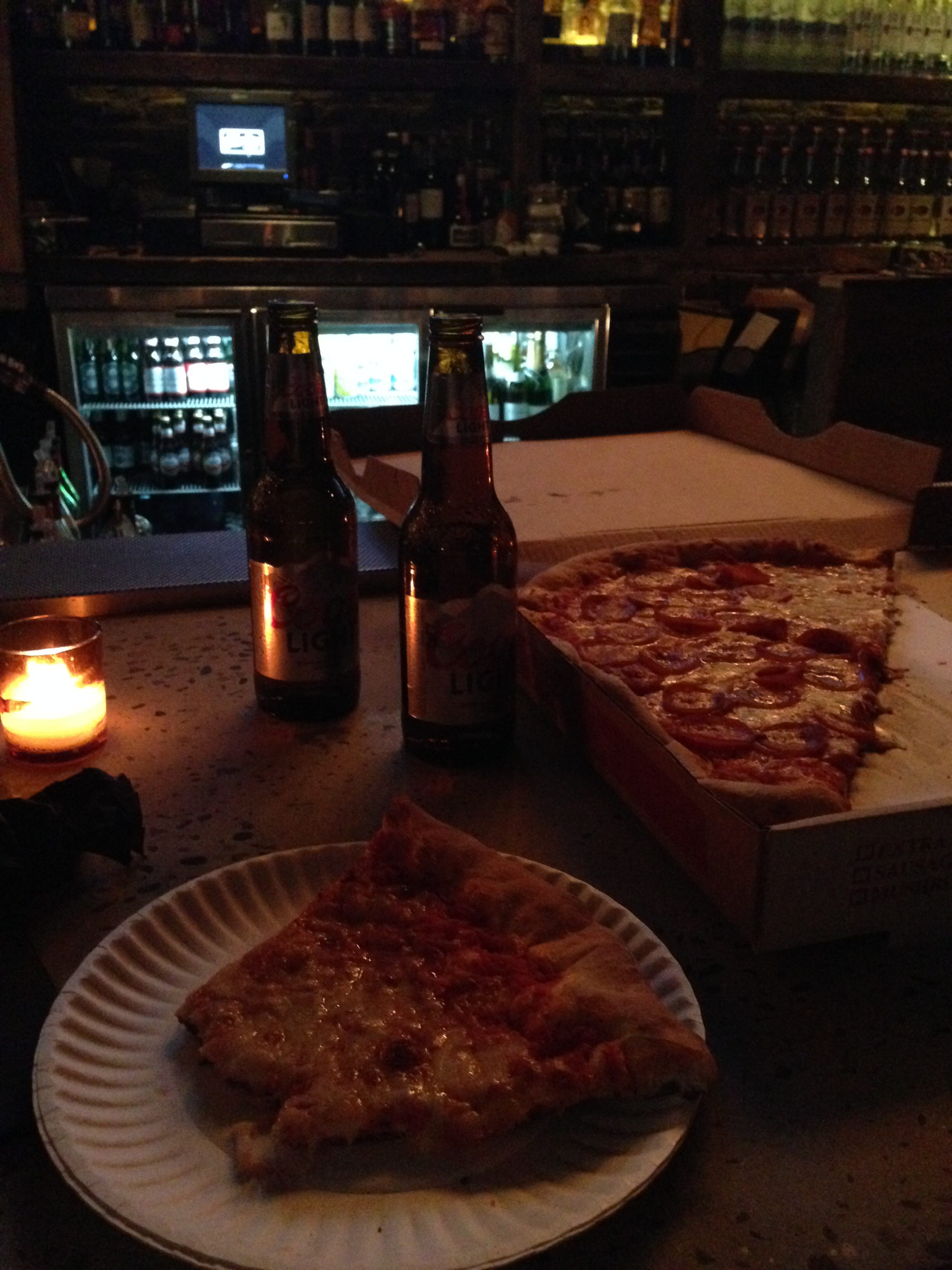
He suggested an elimination diet which I begrudgingly agreed to and, as it turned out, no gluten meant no symptoms. I was given my life back! But it also sucked. I was in my early 20s and could no longer drink beer or do late night pizza with friends. My groceries became more expensive and dining out gave me anxiety (both from fear of being “glutened” and from fear of being perceived as difficult or high maintenance).
I’ve never actually been tested for celiac, though. Since it’s an autoimmune disease, you have to be actively eating gluten to make the antibodies detectable through a blood test and there’s a 0.00% chance I’ll be giving up months of my life for that confirmation.
But the somewhat recent discovery of this genetic variant did give me a sense of validation, and also got me thinking about other diseases that are influenced by our genetics, like diabetes, heart disease and one I spend a lot of time thinking about: addiction.
In 2026, I think, at least I hope, that most people understand addiction isn’t a choice. It’s not a lack of willpower and it’s not a moral failing. It’s often rooted in a very complex interplay of:
Biological and genetic factors (40-60% of our risk is inherited)
Psychological factors (things like early trauma, neglect or instability)
Environmental and social influences (family dynamics, cultural norms, poverty, discrimination, access to support, etc.).
Just like with celiac, diabetes or heart disease, our genetics are risk, but they are not destiny.
For most people, when it comes to diseases like diabetes and heart disease, lifestyle accounts for the majority of risk. Celiac is a little different. The genes are essentially required, but environment determines expression. While lifestyle doesn’t cause celiac, once it’s triggered, it does determine the damage.
Addiction sits somewhere in between. Genetics may set the stage, but how our biology interacts with our environment and life experiences shapes what happens next.
In that sense, it looks a lot like other chronic illnesses. Most people with genetic risk for celiac, heart disease or diabetes never develop severe disease. And among those who do, the majority will improve or stabilize over time with treatment, support and ongoing management. Addiction follows a similar pattern: only a minority of people with genetic risk go on to develop a dependency, and most of those who do (actually 75%1, much higher than many assume) will recover over the course of their lives, especially with support.
So why, if addiction follows a familiar disease model, has it been so uniquely moralized?
Well, unmanaged diabetes or heart disease primarily harms the person who has it. Loved ones may experience fear or stress related to the illness, but the disease itself doesn’t typically violate trust or endanger others the way addiction might.
People drive while intoxicated. People lie. People disappear emotionally. People become unpredictable. And when those things happen, it can become incredibly hard to separate disease from character. This isn’t to cast blame, it’s simply to acknowledge that addiction causes hurt and that influences the way we approach it as a society.
People who have been affected, directly or indirectly, by addiction can know that the human brain and its neural pathways are powerful, especially those reinforced by relief, reward or survival-level coping. When it comes to addiction, the brain, sometimes very quickly or sometimes over time, learns something deeper than logic. Knowing that doesn’t erase the hurt and harm addiction causes, but it does help explain why moral condemnation has never been an effective treatment.
So is addiction like celiac? Or diabetes? Or heart disease?
Yes and no.
It shares genetic vulnerability. It shares environmental influence. It shares the need for ongoing management. But it also carries relational consequences that make it emotionally and socially different in ways that can be frustrating and scary and overwhelming.
In a recent episode of the Huberman Lab podcast, Keith Humphreys, professor of psychiatry and behavioral sciences at Stanford and a leading expert on addiction treatment and policy, shared what I thought was a pretty insightful point.
“Pretty insightful” actually downplays it. You know when you’re in the middle of something and you hear something that just totally stops you in your tracks? That was me, working out in our basement gym, jaw on the floor (OK, maybe I’ve gone too dramatic now).
We often talk about recovery as discipline, strength or rewiring the brain, all of which are true. But Humphreys pointed to something that’s discussed much less often: The grief of recovery.
For people struggling with a dependency, alcohol or drugs gives them something. Actually, even for people who don’t struggle with a dependency, alcohol or drugs gives them something. Maybe it’s a sense of calm, or relief from anxiety, pain or loneliness. Maybe it just feels fun. Humans have been enjoying altering their mental state for thousands of years. We wouldn’t consume substances if that weren’t the case. So recovery isn’t just about restraint or about the science of rewiring the brain. It’s also about loss.
There’s grief in giving up something you enjoy, even when it’s harming you or those you love. There’s grief in giving up the social element that it may have been tied to (the annual girls’ weekend, or the guys’ hunting trip, or the after party at your brother’s wedding). And maybe there’s grief in giving up the version of yourself that went with all that.
Over the years, I think I’ve become a much more compassionate person when it comes to addiction and I’m the first to admit I wasn’t always this way. That’s precisely because of what I describe above: it can be excruciating work trying to separate disease from character, especially when it feels personal.
But Humphrey’s framing is one that further deepens that level of compassion. I know that, unless you’ve experienced addiction yourself, it’s hard to fully understand. But grief is something we’ve all experienced. And through that lens, I think it makes it just a bit easier to meet addiction with empathy over judgment.
Love,
Em
PS: I think this stuff is important to talk about even when we don’t know how to do that perfectly. I don’t know everything, far far from it and I’m constantly learning new things that influence the way I view addiction and recovery. I’m also constantly thinking about the language I use to talk about it, and how to more deliberately choose words and phrases that help with de-stigmatization, which actually has the power to change outcomes (I’ve recommended it before, and I’ll recommend it again and again: Nzinga Harrison’s book Un-Addiction does a phenomenal job presenting this). What I do know for certain is that I am committed to continued learning, continued support and continued celebration of people on recovery journeys.
Some really thought-provoking perspectives here Emily. The cycle - substance use followed by shame followed by relapse followed by more shame - is so reinforced by the judgement that comes from those who don’t know what’s really going on. Like you I’m witnessing this in a loved one and so I know how hard it is. Thanks for sharing.
You write so well! Thanks for sharing.